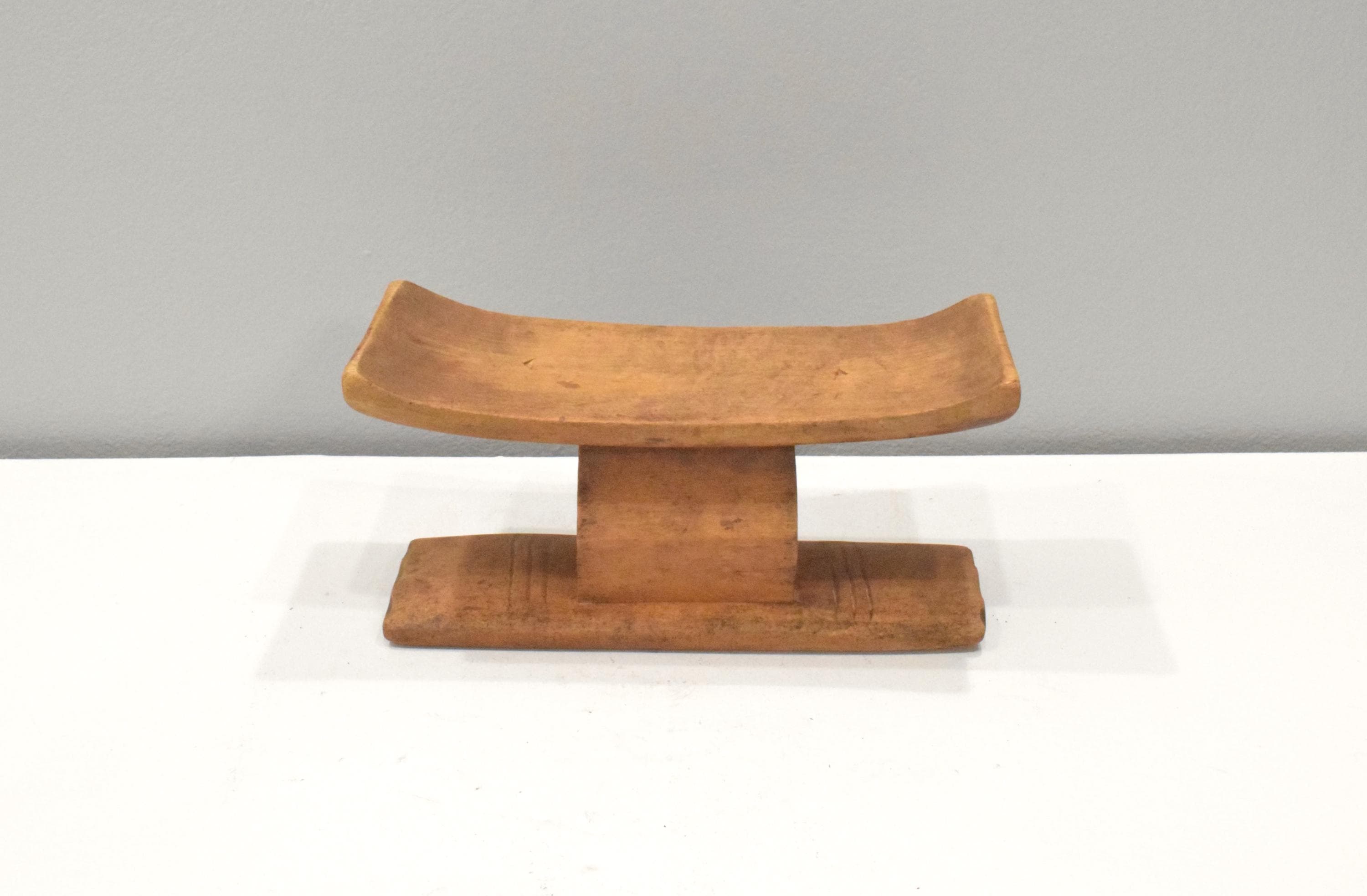
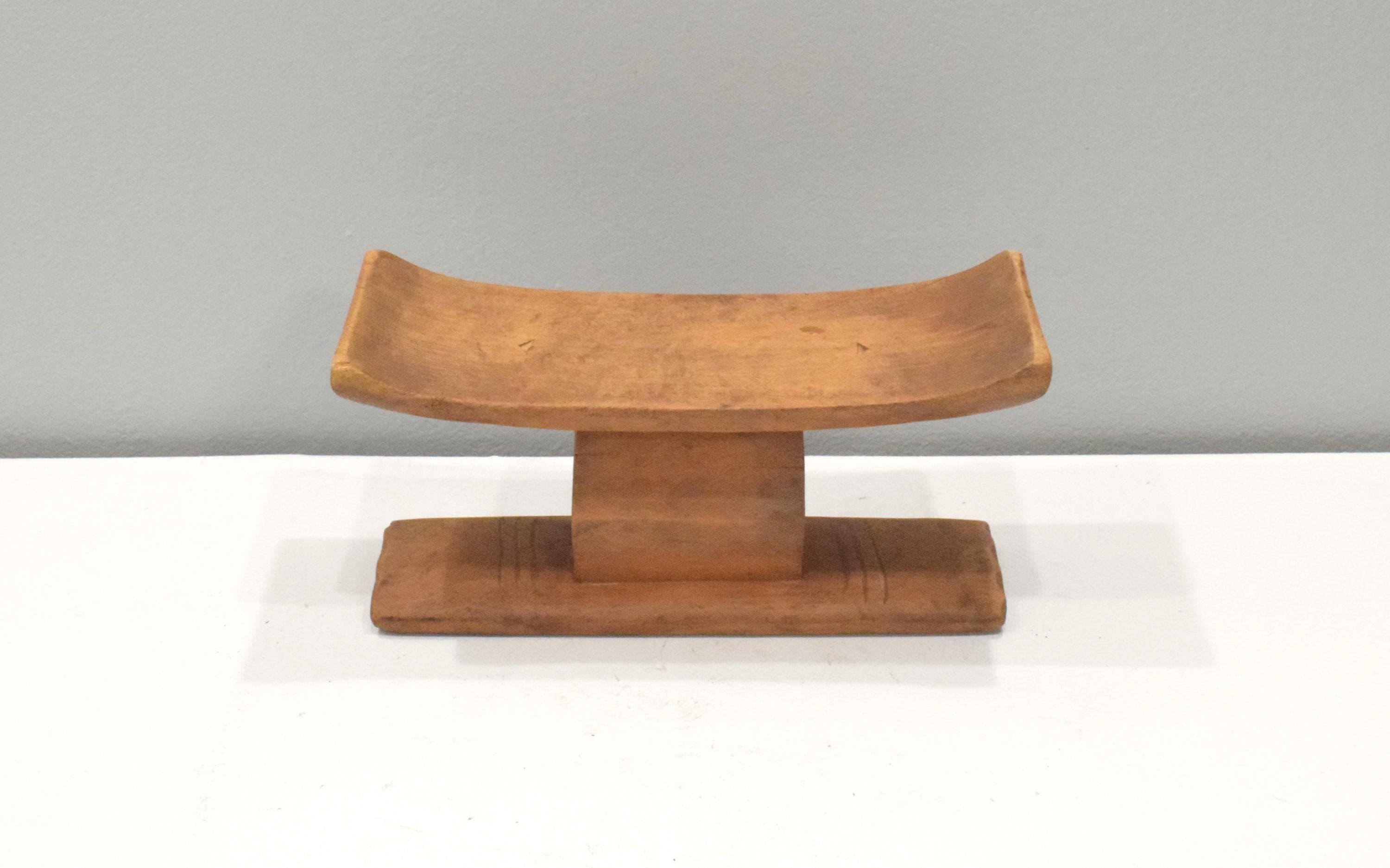
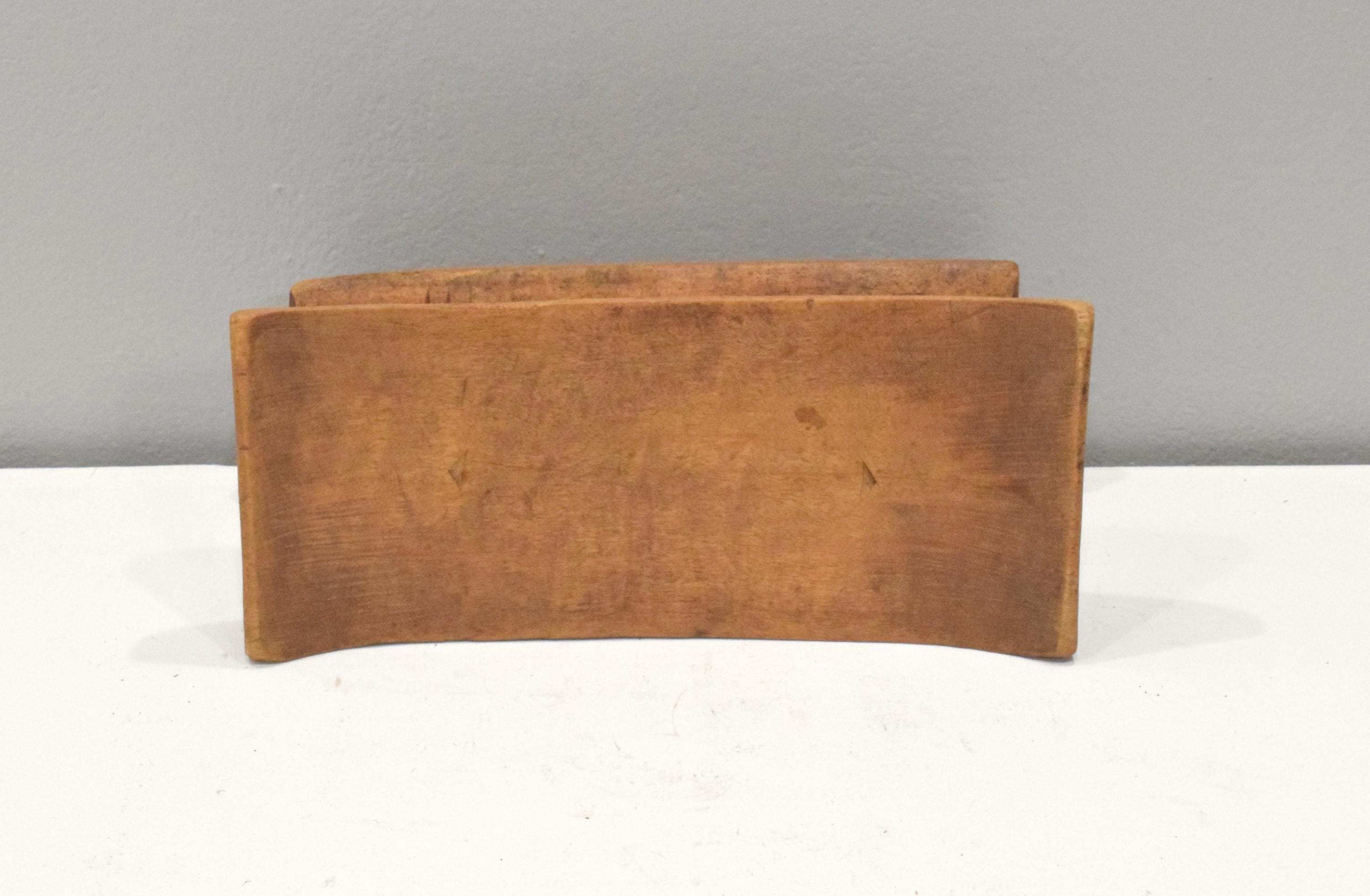
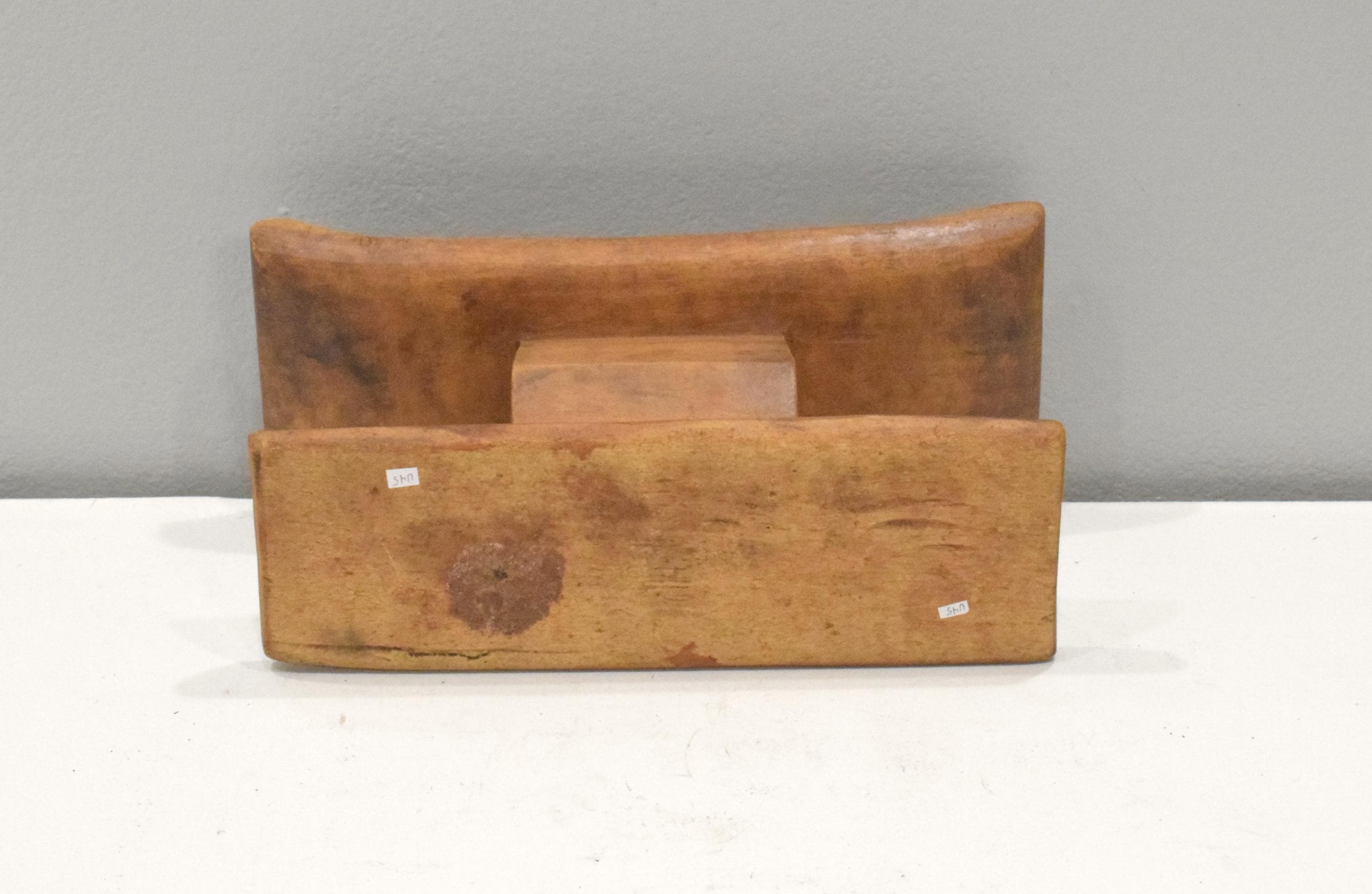
Although other African nations consider the stool an important spiritual object and symbol of leadership, few attribute it with such sacred significance and aesthetic devotion as the Ashanti. Not only are they functional objects, but also integral to Ashanti spiritual and religious customs. The Ashanti believed a person's soul inhabited his or her stool. When the stools were not in use, they were tilted onto their sides so that other spirits – especially evil ones – could not take up residence. From birth to death, stools mark important life events: one of the earliest gifts an Ashanti boy receives from his father is a stool; when an Ashanti girl reaches puberty she is presented with a stool; men gift stools to their brides-to-be as engagement promises; and when a person dies, his or her stool is placed in a shrine and becomes an object of ancestor veneration. Carvers were bestowed a great honor when they were commissioned to craft stools for chiefs, priests and other high-ranking members of Ashanti society. This would be a wonderful addition to your home and collection.
Shows age and Natural Wear
5.5 Inches Tall
4.5 Inches Tall Middle
11 x 4 3/4 Bench
AT BACARA WE STAND BEHIND ALL OF OUR MERCHANDISE. FULL MONEY BACK GUARANTEE WILL BE PROVIDED FOR DISSATISFIED CUSTOMERS. YOUR SATISFACTION IS OUR MAIN GOAL, AND WE THANK YOU FOR SHOPPING AT BACARA. U45
Returns & Exchanges
Returns & exchanges accepted within 7 days
Buyers are responsible for return shipping costs. If the item is not returned in its original condition, the buyer is responsible for any loss in value.
The following items can't be returned or exchanged
Because of the nature of these items, unless they arrive damaged or defective, I can't accept returns for:
- Custom or personalized orders
- Perishable products (like food or flowers)
- Digital downloads
- Intimate items (for health/hygiene reasons)
- Items on sale